
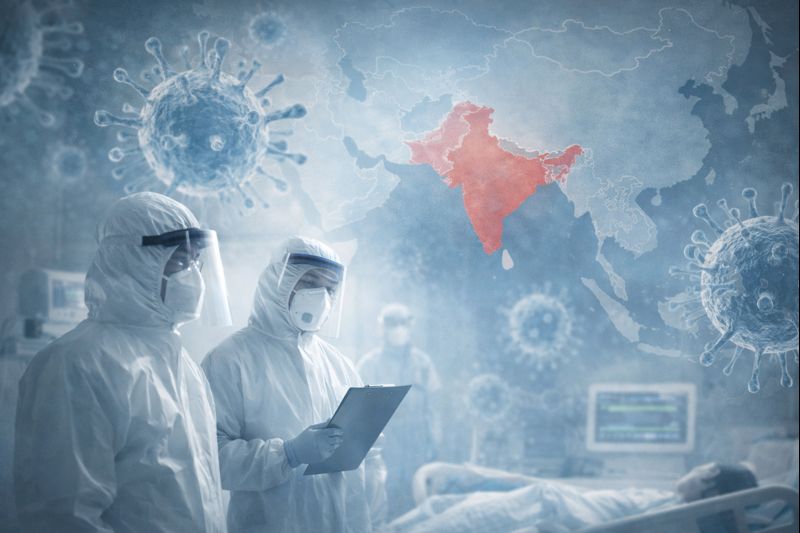
Nipah is back, and it’s got health officials across Asia on high alert. After deaths and confirmed cases popped up in parts of India, authorities jumped into action—isolating patients, tracing contacts, and doing everything they can to stop the virus from spreading. This isn’t the first time Nipah’s caused trouble in the region, but every outbreak brings a fresh wave of anxiety. The virus is deadly if you don’t catch it early, and that’s what keeps everyone on their toes.
Nipah doesn’t spread like wildfire through the air, infecting thousands overnight. It tends to show up in small clusters. But don’t let that fool you—it’s still dangerous. What really worries doctors and governments is the high risk of death, the fact there’s no specific cure, and just how quickly a mild case can turn into a crisis if someone doesn’t get the right care in time.
What You Need to Know About Nipah
Nipah spreads from animals to people, mostly through fruit bats. People can catch it by eating contaminated food, being around sick animals, or even caring for infected patients. It’s sneaky because the early symptoms—fever, headache, body aches, vomiting—look like a lot of other illnesses. But for some, things go downhill fast: severe breathing trouble, swelling in the brain, and, in too many cases, death. That’s why every single case gets the full attention of health teams.
How India’s Experience Is Shaping the Response
India’s seen Nipah before, mainly in Kerala, and those memories are still fresh. Past outbreaks showed how easily things can spiral if warning signs get ignored. But those tough lessons taught officials how to step up: better surveillance, hospitals ready for emergencies, clear communication with the public.
This time, they moved fast. Patients are in isolation, contacts are under watch, and containment zones are in place. Hospitals have brought back strict safety rules—protective gear for staff, tight limits on visitors. Doctors say the key is acting early. Even one missed case can set off a much bigger outbreak if people drop their guard.
Why Asia’s Watching Closely
The concern isn’t just in India. Lots of Asian countries have the same mix of fruit bats, crowded cities, and close contact between people and animals. That means similar risks. Nipah doesn’t spread as easily as viruses like COVID-19 or the flu, but person-to-person infections do happen, especially in hospitals or homes.
So, neighboring countries aren’t taking chances. They’ve ramped up health checks, tightened hospital monitoring, and sent out public warnings about food safety and hygiene.
Prevention Is All We’ve Got
Here’s the tough part: there’s no vaccine and no targeted treatment for Nipah. Doctors can only manage symptoms and offer supportive care. Prevention is everything right now. Health officials urge people to wash fruit, avoid anything that might be contaminated, stay away from sick animals, and get to a doctor fast at the first sign of symptoms. Hospitals need to stick to strict infection control—protecting their staff is a top priority.
Panic, on the other hand, doesn’t help. Fear, rumors, and stigma just drive cases underground and make things harder for everyone.
Lessons From Past Outbreaks
If there’s one thing we’ve learned from earlier Nipah outbreaks, it’s that clear information and public trust matter as much as medical care. When people know what to do and actually do it, outbreaks get contained faster. Protecting healthcare workers is also crucial—too many infections in the past started in hospitals, so training and the right equipment aren’t optional.
Pandemic Risk? Experts Say No
Whenever a new deadly virus hits the news, people worry about another pandemic. But experts say Nipah just doesn’t spread that easily. Outbreaks have stayed small when health authorities act quickly. Still, nobody’s getting too comfortable. As humans keep expanding into wild areas and changing the environment, the risk of future outbreaks goes up.
A Wake-Up Call on Public Health
This latest Nipah situation is another sign that new diseases are showing up more often. Countries need strong surveillance, more research, and real support for health workers on the front lines. For India and its neighbors, it’s a balancing act—pushing ahead with development while protecting both people and the environment.
Stay alert, don’t panic, and listen to the experts. That’s the best shot we’ve got.