
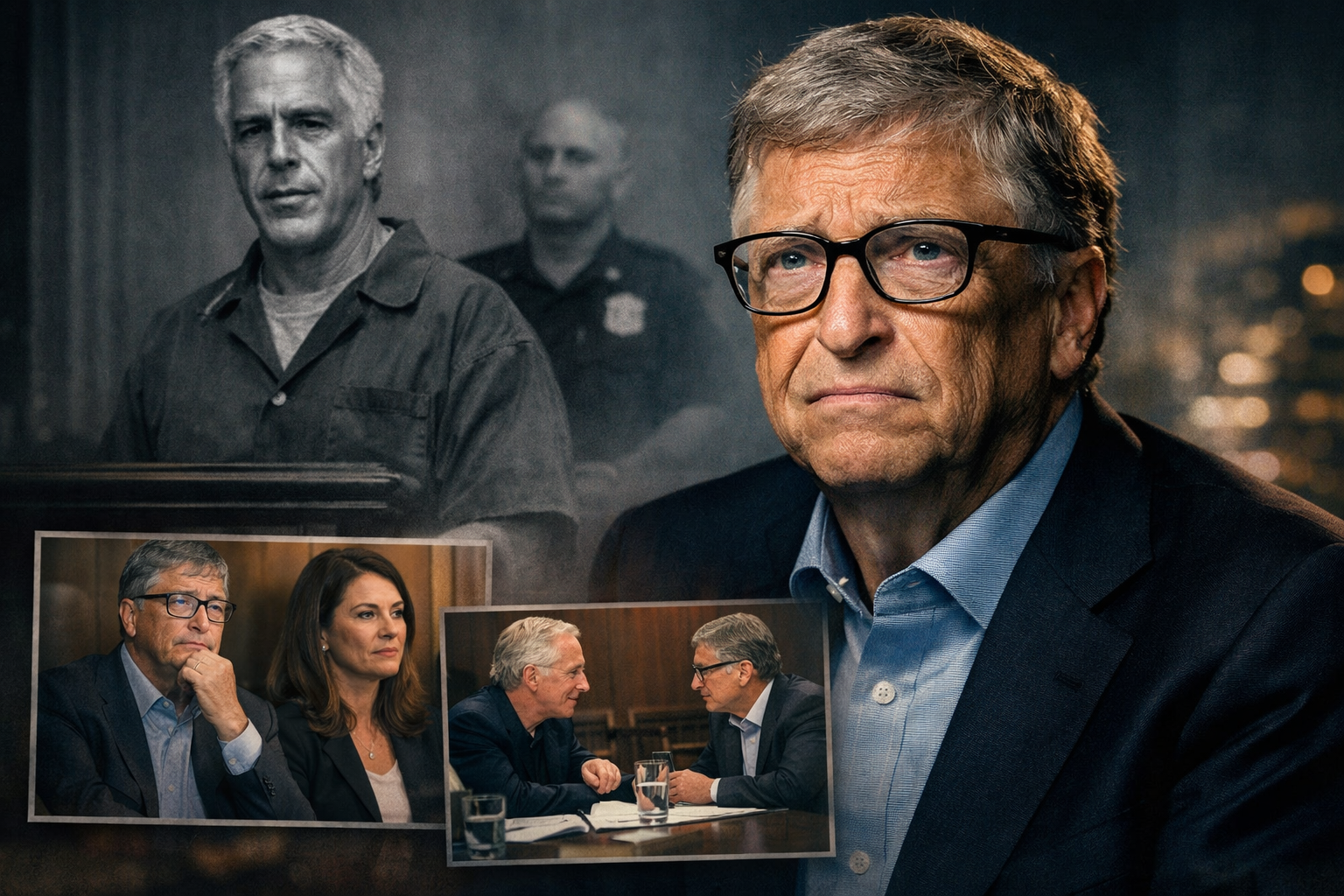
When one of the world’s most influential figures says he regrets “every minute” of a past association, people listen. That’s exactly what happened when Bill Gates publicly reflected on his interactions with Jeffrey Epstein, a disgraced financier whose name has become synonymous with abuse, secrecy, and elite impunity.
Gates’ words were unusually blunt. No hedging. No vague distancing. Just a clear admission: spending time with Epstein was a mistake — one he wishes had never happened. On the surface, it sounds like a simple expression of regret. But beneath it lies a much larger story about judgment, power, and how even the most accomplished people can miscalculate the cost of who they choose to engage with.
This is not just about Bill Gates. It’s about how reputations are built, damaged, and sometimes permanently altered by association.
What Exactly Did Bill Gates Say?
In a recent interview, Gates acknowledged that meeting Epstein — even if initially framed around philanthropy and global health fundraising — was “foolish.” He emphasized that nothing productive came from those interactions and that, in hindsight, he should have walked away immediately.
The phrase “every minute” stood out. It wasn’t accidental. It suggested not just regret, but a recognition that time itself — the one resource no one can reclaim — was wasted on someone who should never have been trusted or entertained in any capacity.
Gates also denied allegations circulating online that go far beyond association, calling them false and unsupported. His statement was careful but firm: regret for bad judgment does not equal admission of wrongdoing.
Why This Regret Matters More Than a PR Statement
Public apologies from powerful figures are often polished, legalistic, and emotionally distant. This one felt different. Not dramatic — but personal.
For decades, Gates has been associated with logic, foresight, and long-term thinking. Hearing someone like him admit such a fundamental lapse in judgment disrupts the myth that intelligence or success automatically protect people from moral blind spots.
It also highlights an uncomfortable truth: powerful networks often normalize proximity to deeply flawed individuals as long as money, influence, or perceived opportunity is involved.
In that sense, Gates’ regret isn’t just about Epstein. It’s about a system that encourages people to look past red flags when the stakes seem high enough.
The Epstein Factor: Why Association Alone Carries Weight
Jeffrey Epstein wasn’t just a criminal; he was a connector. He moved through elite circles with ease, presenting himself as a financier, a fixer, and a gateway to money and influence. Many powerful people rationalized time spent with him as “transactional” or “strategic.”
But Epstein’s crimes reframed everything. Once the full scope of his abuse became public, any association — regardless of intent — took on a moral weight that can’t be dismissed.
That’s why Gates’ comment resonates. It acknowledges that intent doesn’t erase impact. Sitting at the same table, even for “practical” reasons, still carries consequences.
The Personal Fallout: Family, Trust, and Reputation
Gates’ association with Epstein has also been linked — indirectly but persistently — to discussions around his divorce from Melinda French Gates. While no single factor explains the end of a marriage, Melinda has previously spoken about how deeply disturbing she found Epstein and his presence in their lives.
For many observers, this adds a human dimension often missing from public debates. Behind every headline are private conversations, shaken trust, and decisions that ripple through families.
Regret, in this context, isn’t just reputational. It’s personal.
A Broader Lesson About Power and Blind Spots
One of the most striking takeaways from Gates’ comments is how common this pattern is among elites:
- A controversial figure offers access or resources
- Ethical concerns are downplayed as manageable
- Association becomes normalized
- The truth eventually surfaces — publicly and painfully
Gates’ experience underscores that no amount of success immunizes someone from poor judgment. In fact, power can make misjudgment easier, not harder, because it often comes with echo chambers and reduced accountability.
Can Regret Restore Trust?
That’s the question many people are asking.
Regret alone doesn’t undo harm. It doesn’t erase the platform Epstein used or the legitimacy he gained from elite associations. But acknowledgment does matter — especially when it’s clear, direct, and not wrapped in excuses.
For Gates, this moment may mark a shift from defensiveness to reflection. Whether that restores public trust depends less on words and more on long-term consistency: transparency, accountability, and an awareness of how influence is wielded.
Why This Story Still Resonates
Years after Epstein’s death, his shadow continues to stretch across global politics, finance, and philanthropy. Every new comment, document, or reflection reopens old wounds and forces society to confront uncomfortable questions:
- Why were so many warning signs ignored?
- How much responsibility do associates bear?
- And what does real accountability look like for the powerful?
Gates’ regret doesn’t answer all of these questions, but it adds an important voice to the conversation — one that admits failure rather than denying it outright.
Final Thoughts: A Mistake That Became a Message
When Bill Gates says he regrets every minute with Jeffrey Epstein, he’s not just distancing himself from a disgraced man. He’s offering a rare admission from the top tier of global influence: that judgment can fail, and that the cost of that failure can last a lifetime.
In a world where power often shields people from consequences, that admission matters.
Not because it closes the story — but because it reminds us that who we choose to engage with, even briefly, can define us far longer than we ever expect.