
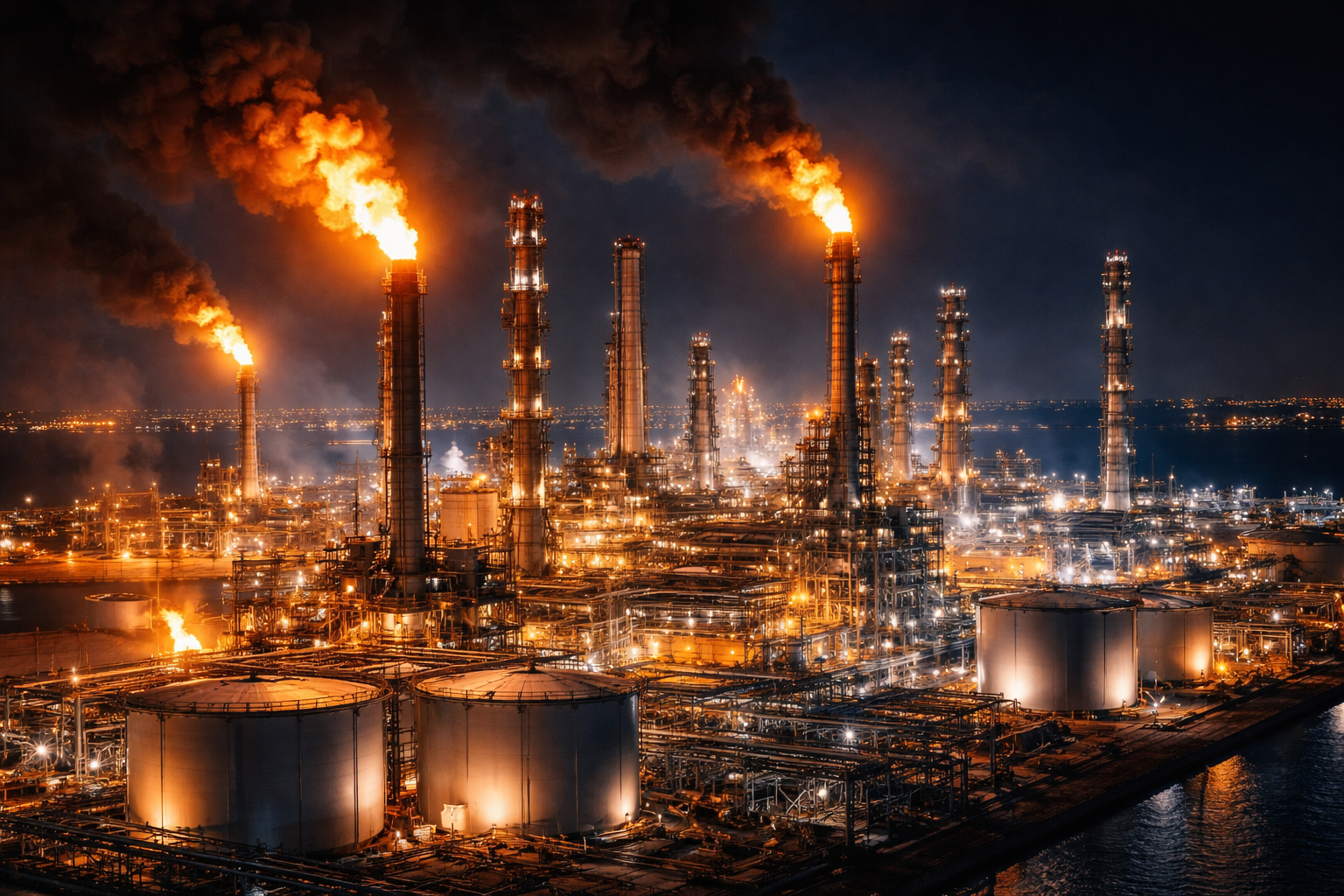
The fight between Israel and Iran isn’t just stirring up trouble in the Middle East—it’s messing with economies all over the world. Just look at the way oil prices have shot up lately. People everywhere are feeling it, not just those watching the news.
Crude oil prices have climbed fast these past few days. Honestly, a big reason is nerves—everyone’s worried Iran might mess with the Strait of Hormuz. That place is tiny, but it’s a huge deal: almost 20% of the world’s oil goes through it. If anything goes wrong there, markets freak out.
Traders aren’t just reacting to what’s happening now; they’re anxious about what might happen next. Iran’s hints about blocking or slowing down traffic in the Strait have made the risk shoot up. And that hits countries like India especially hard. They rely on imported oil, so if crude gets expensive, pretty much everything else does too—fuel, delivery costs, groceries. Sometimes it’s like dominoes: one thing falls, everything else follows.
But oil isn’t the only thing getting pricey. When transport costs rise, inflation takes over. Food, manufacturing, services—they all get more expensive. Families feel it in their budgets, businesses struggle, and governments start scrambling for fixes. You see them cutting taxes on fuel or boosting subsidies to keep prices from going nuts.
Markets aren’t just jittery; they’re wild right now. Prices are bouncing all over the place, thanks to every headline from the region—missiles, negotiations, you name it. Investors are glued to their screens, waiting for updates.
Politics makes the whole thing even messier. The US wants that oil flowing; so does China, and Europe’s sweating, too. If the chaos drags out, you can bet governments will step in together.
Honestly, this whole crisis is a reminder: the world still runs on oil, even though everyone talks about renewables. We’re way more vulnerable than most people realize.
Shipping companies are feeling the heat, as insurance for moving oil through dangerous water costs more now. Some ships are taking longer routes to stay safe, which means deliveries slow down and get pricier.
And airlines? They’re getting slammed as well. Jet fuel follows crude prices, so if oil goes up, tickets do too. Fewer flights, more expensive travel—it’s one more headache for an industry that’s already under pressure.
Back in the Middle East, nobody knows which way things will go. If the fighting ramps up—hits to oil facilities, blockades—prices could explode. But if there’s a ceasefire or peace deal, the markets might calm down.
Right now, the only thing you can count on is uncertainty.
Experts say if fighting drags on, we could see oil prices climb higher than we’ve seen in years, hitting poorer economies the hardest and slowing down world growth. Sure, governments are trying to ease things—they might open up strategic oil reserves or roll out emergency plans to stop wild price swings.
But that stuff’s only a short-term fix.
The real answer? We need to stop relying so much on dangerous regions for energy, and we have to use a wider mix of sources. Until that happens, the world stays exposed—every crisis in the Middle East means a crisis everywhere else.
So, this conflict isn’t just about rockets and soldiers. It’s about money, energy, and the everyday stuff people deal with. What happens thousands of miles away can change what you pay at the pump tomorrow.