
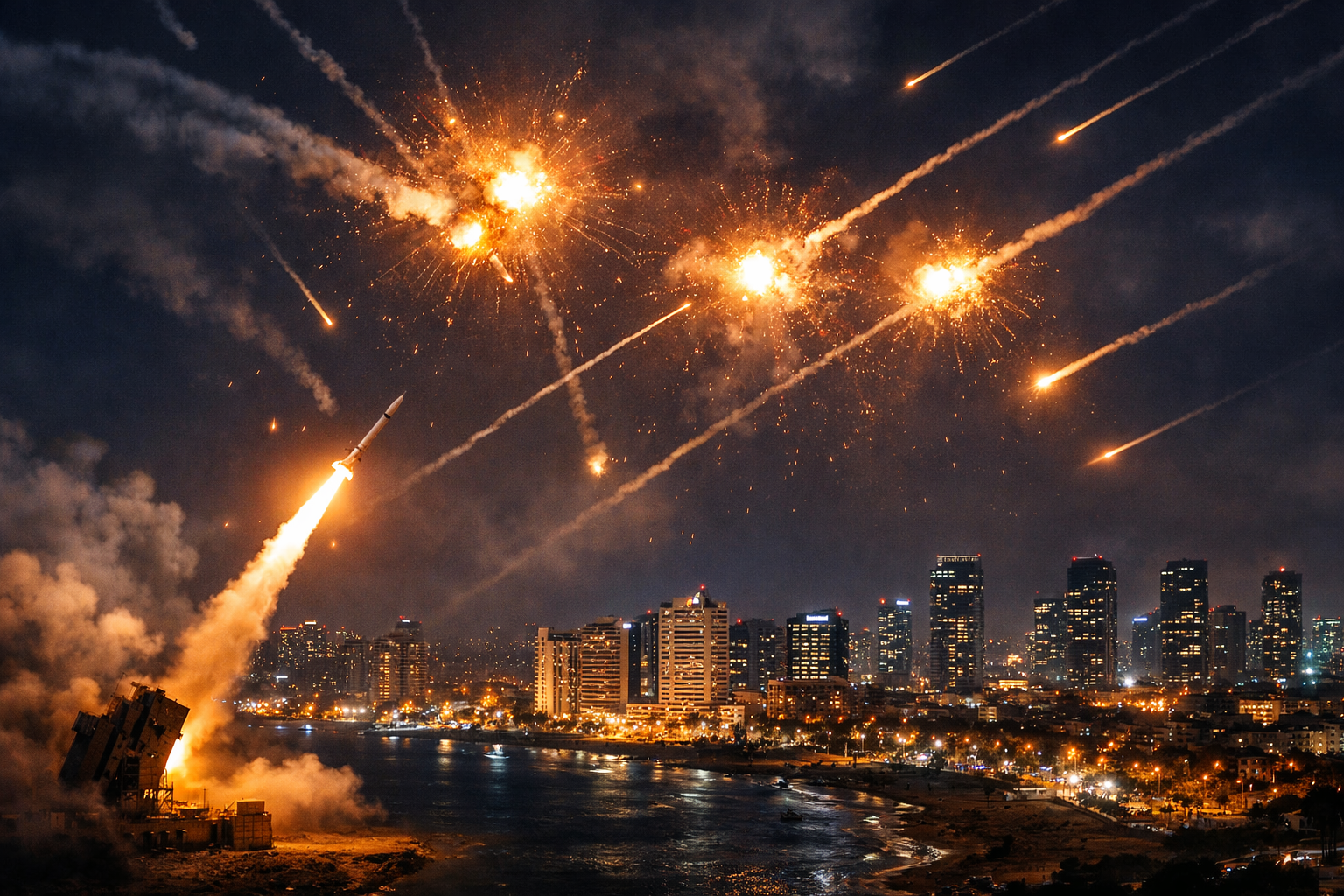
Things between Israel and Iran have gotten a lot more dangerous lately. Until recently, most of their clashes happened in the shadows—through proxies, secret missions, and deniable operations. Now, it’s out in the open: direct missile attacks, airstrikes, and a nervous region watching closely.
The pace really picked up over the past few weeks. Israel launched precision airstrikes to weaken Iran’s military setup. They hit missile bases, intelligence posts, and key players calling the shots for Iran’s strategy.
From Israel’s perspective, it’s about averting a bigger threat. Leaders say Iran gaining more military ground isn’t just bad for Israel—it’s a problem for the whole area. Iran sees these attacks as outright aggression and refuses to let them slide.
So Iran hit back. Hard.
They sent waves of missiles and drones into Israel, aiming for cities and strategic spots. Tel Aviv’s air defense systems scrambled to intercept, while ordinary people hunkered down in shelters. Some attacks still broke through, causing damage and making everyone uneasy.
But it’s not just these two countries anymore.
The fallout is spreading across the Middle East. Groups loyal to Iran ramped up their actions in nearby countries. Border tensions shot up, and now a wider regional conflict isn’t just something experts whisper about—it’s front and center in every policy discussion.
The Strait of Hormuz is suddenly in sharp focus.
Most of the world’s oil moves through this narrow waterway, so even a hint of conflict pushes oil prices higher, triggering inflation and economic worries everywhere.
If you live far from the action, you’re still going to feel it. Higher gas prices, pricier shipping, and jittery markets all tie back to what’s happening over there.
World powers aren’t just standing by. The US has backed Israel firmly but calls for restraint, hoping things don’t spiral out of control. Diplomats are working overtime, but so far, nothing’s really changing. Leaders keep talking about de-escalation, but on the ground it sure doesn’t look like anyone’s slowing down.
What’s wild is how fast everything changed. Just a short time ago, Israel and Iran fought quietly, indirectly. Now they’re trading blows publicly—this kind of shift could reshape the entire region for years.
As always, civilians are stuck in the middle. Families face sleepless nights, school closures, flight cancellations, disrupted routines, and nervous readiness for whatever comes next.
One wrong move—intentional or accidental—could set off something much bigger. That risk hangs over every day, making the situation feel even more dangerous.
So what’s next? Maybe this back-and-forth keeps going, maybe things blow up into an all-out regional conflict, or maybe there’s a breakthrough and tensions ease. At the moment, though, it’s hard to be optimistic.
This mess shows just how connected everything is. A military strike in the Middle East quickly sends ripples through global markets, politics, and security.
In short, this isn’t just a spat between two countries. It’s a turning point, and it could rewrite the world’s stability for a long time to come.