
A New Flashpoint in an Already Volatile Region
Tensions across the Middle East have intensified once again following a series of fresh missile strikes that shook several areas overnight. The attacks triggered air-defense responses, sirens across cities, and urgent diplomatic reactions from governments around the world.
While missile exchanges have unfortunately become a recurring feature of regional conflicts, the latest wave has raised fresh concerns about whether the situation could spiral into a wider confrontation.
Security analysts say the strikes represent a significant escalation compared with the relative calm seen in recent weeks.
Missile Strikes Trigger Defensive Responses
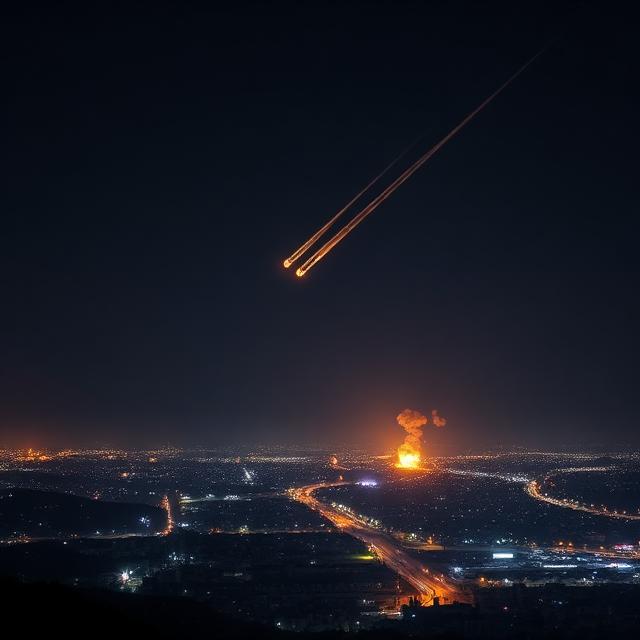
Reports indicate that multiple missiles were launched toward strategic locations late at night, prompting air-defense systems to activate across the targeted areas. Residents described hearing loud explosions as defensive interceptors attempted to neutralize incoming threats.
Authorities confirmed that several missiles were successfully intercepted before reaching major population centers. However, some debris fell in surrounding areas, causing damage to infrastructure and sparking fires.
Emergency crews quickly moved in to secure affected zones, while hospitals remained on alert for potential casualties.
Regional Tensions Already Running High
The Middle East has long been a region where political rivalries, territorial disputes, and ideological differences intersect. Even small incidents can quickly trigger broader reactions among regional powers.
In recent months, several flashpoints have contributed to rising tensions. Military operations, border clashes, and proxy conflicts have created an environment where sudden escalation remains a constant risk.
The latest missile strikes appear to fit into this pattern, raising fears that retaliation could follow.
Global Powers Call for Restraint
Following the attacks, several major world powers urged all sides to avoid further escalation.
Diplomatic statements from multiple governments emphasized the importance of restraint and dialogue. International organizations also called for calm, warning that additional violence could destabilize an already fragile region.
Global leaders understand that conflicts in the Middle East rarely remain confined to local boundaries. Economic interests, energy markets, and geopolitical alliances often pull outside powers into the situation.
Because of this, even a limited exchange of missile strikes can quickly attract worldwide attention.
Energy Markets React Immediately
Whenever tensions rise in the Middle East, global energy markets respond almost instantly.
The region remains one of the world’s most important sources of oil and natural gas. Any sign of instability near key shipping routes or production facilities can influence global prices.
After news of the missile strikes spread, oil markets showed early signs of volatility. Traders closely monitored developments, worried that prolonged conflict could disrupt energy supply chains.
Even the possibility of escalation can influence prices across international markets.
Civilians Face Growing Anxiety
For ordinary residents living in affected areas, the impact of conflict goes far beyond political headlines.
Air-raid sirens, emergency alerts, and the fear of overnight attacks create constant psychological stress. Families often prepare emergency supplies and identify shelters in case the situation worsens.
Schools and businesses sometimes close temporarily following missile incidents, disrupting daily life and local economies.
These human consequences often remain the most difficult part of prolonged regional conflicts.
Analysts Warn of Retaliation Cycle
Security experts say one of the biggest risks now is the possibility of retaliation.
Missile strikes rarely occur in isolation. When one side launches attacks, the other often feels compelled to respond, creating a cycle that can rapidly escalate.
Such patterns have played out repeatedly in the Middle East over the past decades.
Diplomats therefore face a delicate task: preventing immediate retaliation while creating space for negotiations.
The Road Ahead Remains Uncertain
At the moment, it remains unclear whether the latest strikes represent a temporary flare-up or the beginning of a larger escalation.
Governments across the region are closely monitoring the situation, while military forces remain on high alert. Intelligence agencies are also assessing whether additional attacks could follow.
Meanwhile, international mediators are expected to intensify diplomatic efforts in hopes of preventing further violence.
For the Middle East—and for the world—the coming days may prove critical in determining whether tensions cool down or move toward another dangerous phase.