
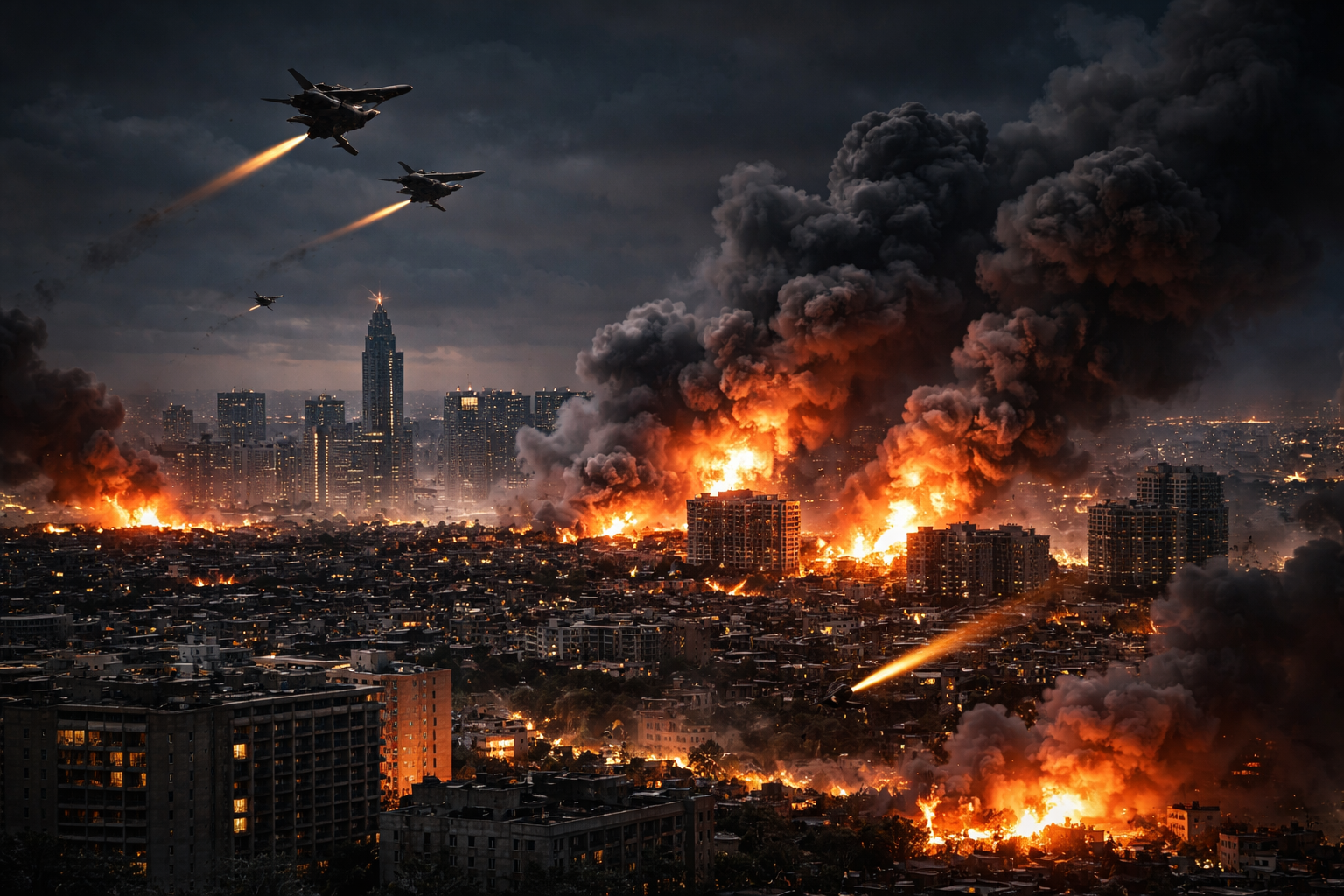
The Middle East is back in the global spotlight—and this time, everything feels more intense.
What began as targeted attacks and old grudges between Israel and Iran has blown up into an expanding crisis with global consequences. Over just a few days, the fighting went from isolated incidents to something much bigger. Now, you’ve got a conflict that’s pulling in more countries, one way or another.
People woke up to late-night explosions rattling Tehran, and that really got everyone’s attention. These weren’t just showy warnings; they were deliberate hits, aimed at important infrastructure. Iran fired back with missiles and drones, making it clear they’re not going to let any strike go unanswered.
For folks living there, it’s not about politics or strategy—it’s survival. Families are dealing with upheaval and fear all over again, wondering what tomorrow might bring.
⚔️ The Conflict Isn’t Staying Put
What’s really worrying is how fast this thing is spreading. It’s not just Israel and Iran anymore.
Israeli strikes have reportedly reached areas tied to Iran’s regional partners. Iran’s reach across the Middle East means the risk of fighting on multiple fronts is getting real. Tehran-backed groups could get more active, which just messes up the situation even more.
And now, the U.S. has stepped up its military presence. Even though Washington isn’t actively fighting, just being involved ups the risk of a much wider war.
This is exactly what people fear—a small conflict snowballing into a regional catastrophe.
⛽ The World’s Eyes Are Locked In
Even if you’re not anywhere near the Middle East, this conflict hits home—especially when you fill up your gas tank.
The action is happening close to the Strait of Hormuz, basically the main artery for the world’s oil supply. Most of the world’s oil travels through that narrow channel.
If those shipping routes get blocked—even for a short time—you’ll feel it instantly. Oil prices are already climbing. When that happens, every cost starts creeping up, from getting to work to buying groceries.
Take India, for example—people there really notice when fuel prices jump. It hits fast and hard.
📉 Markets Start to Wobble
Financial markets don’t wait for bombs to drop; they react to uncertainty. And right now, all they see is uncertainty.
Global stock markets are already jittery. Investors hate unpredictable situations like this, so they back off—and that slows down the economy. Airlines might end up paying more for fuel, shipping costs could go up, and insuring cargo through risky zones won’t be cheap.
It’s adding more strain to economies that are already stretched thin.
🕊️ Is De-escalation Actually Possible?
Despite all the firepower, people are still quietly working to calm things down.
Some leaders are telling both sides to back off, hoping things don’t get worse. There are rumors about behind-the-scenes talks, but nothing solid has come out.
Let’s be real—right now, both sides want to look tough. That makes compromise a long shot in these early days.
Still, history says that even the hottest conflicts can cool down—if the timing is right.
⚠️ What Comes Next?
It’s anybody’s guess.
Here’s what could happen:
Diplomacy could finally kick in and lower tensions.
The fighting could drag on as tit-for-tat strikes.
Or, the nightmare scenario—a full-blown regional war.
Everything depends on the next moves. Not just Israel and Iran, but also other countries watching and waiting.
🧾 Final Thoughts
This isn’t just another news story. It’s a live event that could reshape politics, the global economy, and everyday life way beyond the Middle East.
For now, everyone’s watching—and hoping things don’t get worse.