
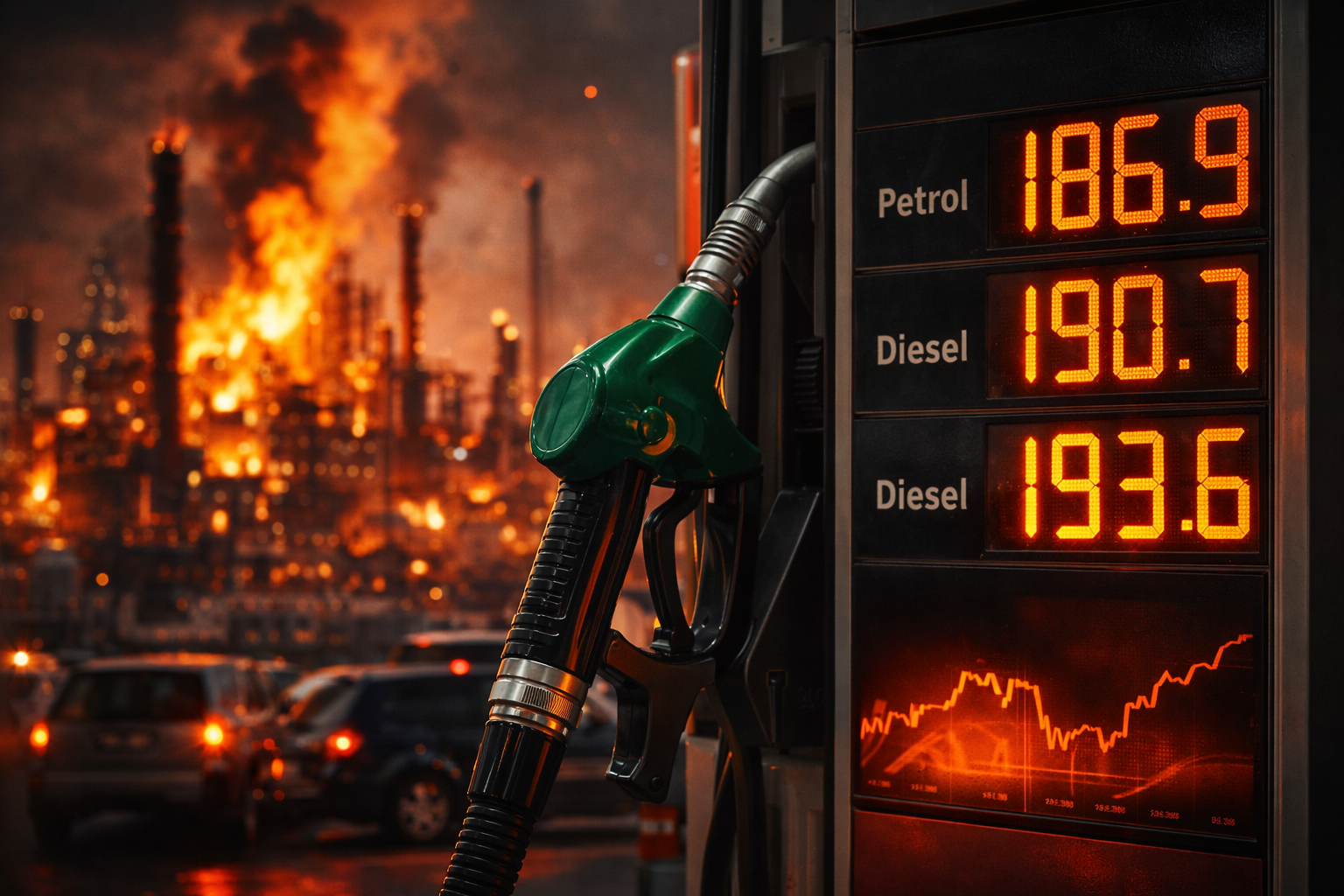
The fallout from the Middle East conflict isn’t just a headline — it’s hitting economies everywhere now, and it’s pretty obvious if you look at the spike in oil prices. Suddenly, people from Delhi to London are feeling it, not just those near the fighting.
Iran and Israel are right at the center, with the U.S. hovering in the background. It’s technically a local conflict, but the financial shockwaves have reached across the globe almost instantly.
So, what’s driving the oil surge? Mostly, uncertainty. Oil markets are like nervous cats — one loud noise and prices jump. Right now, the fear is all about the Strait of Hormuz. It’s a tiny stretch of water but crucial — about a fifth of the world’s oil flows through it. Even rumors that the strait isn’t safe can send prices skyrocketing.
Shipping companies are already on edge. Insurance for tankers is getting expensive, and some ships aren’t even bothering with their usual routes. They’re rerouting or just waiting it out, which slows supply and jacks up costs.
Markets didn’t take long to react, either. Oil prices shot up over a matter of days. Stock markets are bouncing all over the place. Investors are piling into safer bets like gold. When oil gets pricier, it doesn’t stop at the gas pump — it seeps into everything. Transport costs climb. Airlines pay more. Businesses get hit, and, of course, regular folks feel it in their wallets.
It’s especially tough for India. Since most of its oil is imported, any hiccup in supply means prices for petrol and diesel head north fast. That trickles down, making transportation and groceries more expensive. Even a tiny jump in oil costs can trigger inflation, pushing up prices across the board.
Honestly, the timing stinks. Many economies are still dusting themselves off from earlier disruptions, and now energy costs are surging again. Businesses spend more just to keep up. Consumers start cutting back. Governments might step in with subsidies, but it’s a vicious cycle — growth slows, inflation climbs, and policymakers are left scrambling.
This isn’t your standard supply-and-demand story. Geopolitics are steering the ship here. Every update from the region — a missile, a statement, anything — can swing the price of oil. If things get worse or spread, expect even higher prices.
Is there any hope for relief? Maybe. Diplomacy could calm things down. Big countries might unlock their oil reserves. Or, new supply routes could help. Still, none of these fixes offer a quick solution. Volatility won’t disappear until the conflict actually starts cooling down.
In the next few weeks, we’ll see how it plays out. If tensions drop, prices might level out. But if fighting flares up, especially around the Strait of Hormuz, brace yourself — things could get rough.
Bottom line: This oil price surge isn’t just about markets and graphs. It’s millions feeling the squeeze, whether they’re filling a tank or shopping for groceries. And while Middle East tensions stay high, uncertainty is ruling the global economy. For now, everyone’s stuck watching and waiting, hoping for a break in the storm.