
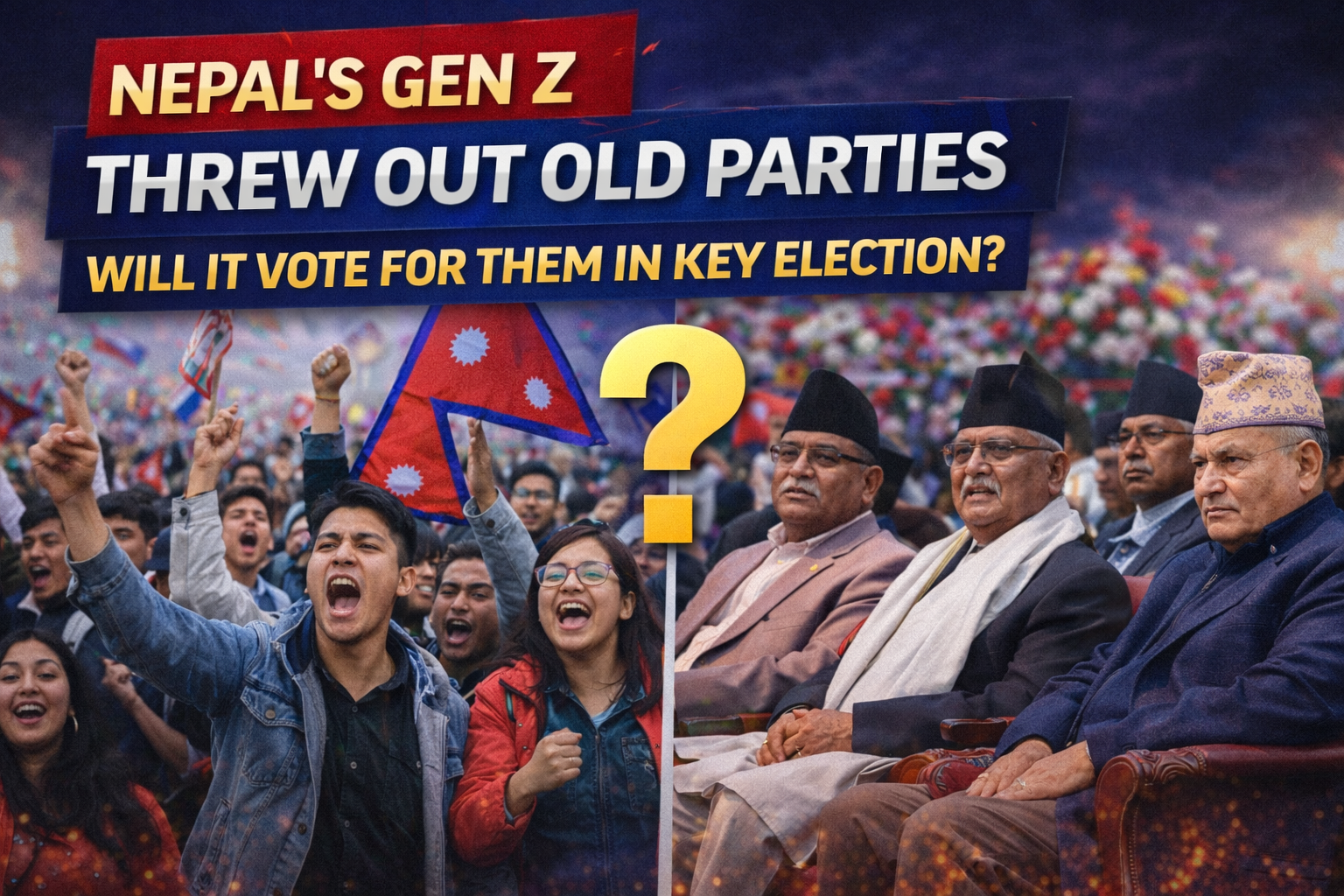
When Nepal’s Gen Z first stormed onto the political scene, it felt like a seismic shift. A generation tired of old promises, entrenched elites, and slow progress suddenly decided it had enough. They marched. They protested. In rising numbers, they voted. And the result was unmistakable: long-standing parties were pushed aside in favour of new faces, fresh voices, and a kind of political experiment Nepal hadn’t seen before.
But now a bigger question looms: will the same generation stick with this new political order in the next big election — or return to the familiar?
That question isn’t just about votes. It’s about how youth shape democracy itself.
A Generation Defined by Change
Nepal’s Gen Z — roughly those born between the late 1990s and the early 2010s — grew up in a very different Nepal from the one before them.
They’ve known internet connectivity, global youth culture, and rapidly changing social norms. They followed world movements like the Arab Spring, climate strikes, and global youth protests. They know more voices than just local ones.
So when the old political guard seemed slow, out of touch, or corrupt, many Gen Z voters didn’t hesitate to shift their allegiance. Instead of voting for parties that had dominated Kathmandu politics for decades, they overwhelmingly supported alternatives — newcomers, youth-led fronts, or fresh coalitions promising responsiveness and reform.
And the results were dramatic.
The Shock of the Last Election
In the last major election, traditional parties in Nepal that used to command unquestioned loyalty saw results they hadn’t imagined — or feared.
Parties that had defined Nepalese politics for decades suddenly found their vote shares shrinking. Younger politicians with large social media followings and agile campaign styles appealed to first-time voters. For many Gen Z voters, this wasn’t just a political preference. It was a rejection of stagnation.
The world took notice. Nepal became an example of what happens when young voters — dissatisfied and connected — swing the political pendulum.
But Throwing Out Old Parties Is Easier Than Choosing New Ones
Here’s the catch: change-oriented voting is easier when it’s reactive.
It’s easier to reject the familiar than to embrace new leadership once the dust settles. Movements are powerful. Governments are harder.
Many of the parties that surged with Gen Z support after the last election now face the real test: performance. That means governance, delivery of public services, economic policy, job creation, and responses to real-world problems.
And that’s where early idealism often meets reality.
Gen Z voters may have wanted change, but will they vote again for the same parties when they judge performance, not promises?
What Matters Most to Youth Voters
To understand where Gen Z might swing, it’s helpful to look at what matters most to them:
🧑🎓 Jobs and Opportunity
Youth unemployment and underemployment remain pressing concerns. New parties that fail to create visible opportunities soon risk losing trust.
🏙 Urban and Rural Divide
While many young voters in cities demand reform and progress, youth in rural areas may prioritise stability, infrastructure, and agricultural support — a different political agenda.
📱 Connectivity and Voice
Gen Z voters are online. They compare, critique, and broadcast their views instantly. Political credibility is now judged not just on what’s promised, but on what’s demonstrated publicly.
🌍 Global Awareness
Gen Z in Nepal are aware of issues like climate policy, international economic trends, and human rights debates absent from some traditional campaign rhetoric.
These priorities fuel voting decisions today — and they differ significantly from the previous generation’s concerns.
New Parties Now in the Spotlight
Some of the newer parties that surged with Gen Z support are still finding their footing. It’s one thing to energise voters with slogans and social media campaigns. It’s another to govern effectively when the spotlight shifts from rallies to budgets, schools, clinics, and trade deals.
Whether these parties can meet expectations will strongly shape how Gen Z votes in the coming key election.
If they succeed, they could consolidate a long-term transformation of Nepalese politics.
If they fail, Gen Z could become even more unpredictable in the next cycle.
The Risk of Disillusionment
Changing governments once is energising. Doing it again because of disappointment can lead to disillusionment.
Studies in democracies worldwide show that when youth movements don’t translate into measurable improvements, young voters often stay home. That matters because a nation cannot build political legitimacy if its largest generational bloc feels unheard.
So the question now isn’t just whom Gen Z will vote for — but whether they’ll vote at all.
Traditional Parties Aren’t Out of the Race
Political resilience is a thing. Traditional parties in Nepal aren’t vanishing. They’re reorganising. Learning. Shifting their messages. Adopting digital outreach. Trying to reconnect with voters who deserted them.
Some have even started bringing younger faces into leadership roles — a strategic move that could win back some Gen Z voters.
This isn’t a simple “old vs new” election. It might become “old adapting vs new struggling to deliver.”
What Might Tip the Balance
Here are a few factors that could decide where Gen Z’s support lands in the next election:
- Job creation programs that visibly help youth
- Responses to rising living costs and inflation
- Urban infrastructure improvements
- Accessible platforms for youth voices in policymaking
- Success or failure of anti-corruption and accountability measures
Real, visible impact on everyday life tends to matter more to voters than slogans — especially when hopes are high.
The Bigger Question
Nepal’s political journey reflects a broader global trend: Generations raised on connectivity, information access, and global awareness are less willing to settle for “politics as usual.”
But while rejecting old parties makes headlines, choosing what’s next is where real political change takes shape.
And that choice is rarely predictable.
Final Thought
Gen Z in Nepal has already changed politics once. But whether they will again — and for the same actors — depends not on emotions or energy alone, but on results.
Young voters aren’t waiting for utopia. They’re waiting for progress.
And the political contenders who demonstrate clear progress — not just rhetoric — are the ones most likely to earn Gen Z’s vote in the key election ahead.